


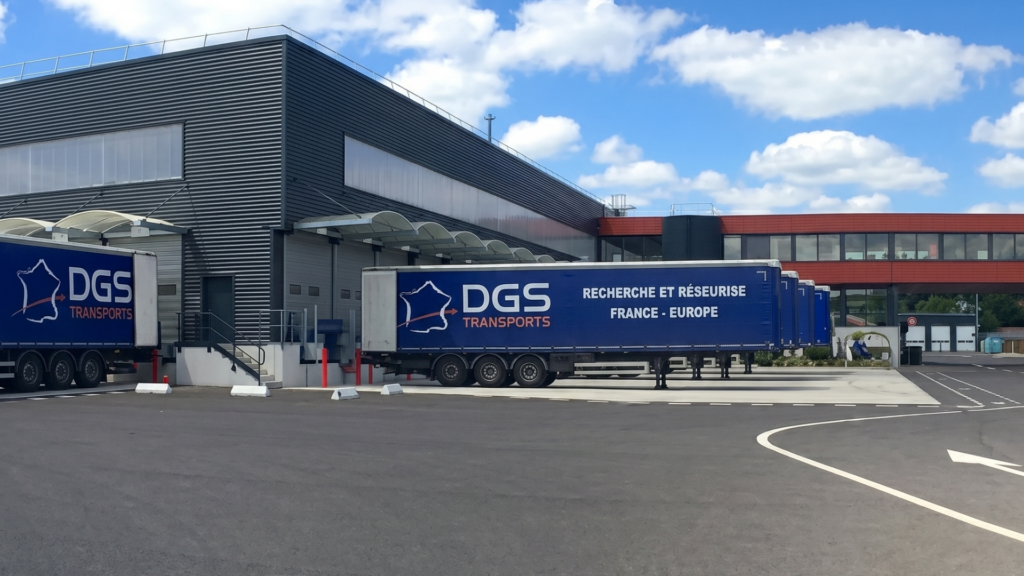
DGS Transports operates a dynamic multi-client environment handling a diverse range of goods, from electrical cables to foil wraps. In a warehouse where staff work collaboratively on the same orders, maintaining clear control and accurate tracking is essential.
The pressure of a legacy WMS
For many years, DGS Transports relied on a legacy Warehouse Management System (WMS). While it had served its original purpose, the operation required a highly user-friendly system capable of supporting both warehouse and office staff seamlessly. They needed to move away from older constraints and build a modern, scalable operation.
Why Clarus WMS
The requirement was clear: stronger integrations, streamlined data handling, and better tracking capabilities. Clarus WMS fit the operational brief by offering robust Best-Before-Date (BBD) and batch tracking. Furthermore, Clarus provides an integrated client portal, giving DGS Transports’ customers direct, live visibility into their inventory workflows.
Implementing the solution
The rollout represents a significant milestone, marking Clarus WMS’s official entry into the French market. Led by Jack from the Clarus team, and working closely with Ludovic and Manuel from DGS Transports, the implementation focused heavily on practical floor execution. The introduction of highly effective handheld devices (HHDs) across the warehouse was a key technical improvement.
Results in daily operations
DGS Transports now uses Clarus WMS to manage its complex multi-client operation. The go-live was successful, and the operation has seen a major step forward in operational accuracy and overall efficiency. Order and data uploads have been significantly streamlined, and the new system integrations have removed previous administrative friction.

Your Path to WMS Success
Relying on a legacy system often means compromising on speed and accuracy. The move by DGS Transports shows how upgrading to task-based scanning and live visibility creates an immediate, measurable shift in warehouse control. For operators managing diverse products and demanding clients, a scalable WMS is no longer optional—it is the foundation of a modern logistics business.